UP TO 30% OFF FOR NEW CUSTOMER OR BUY BUNDLE


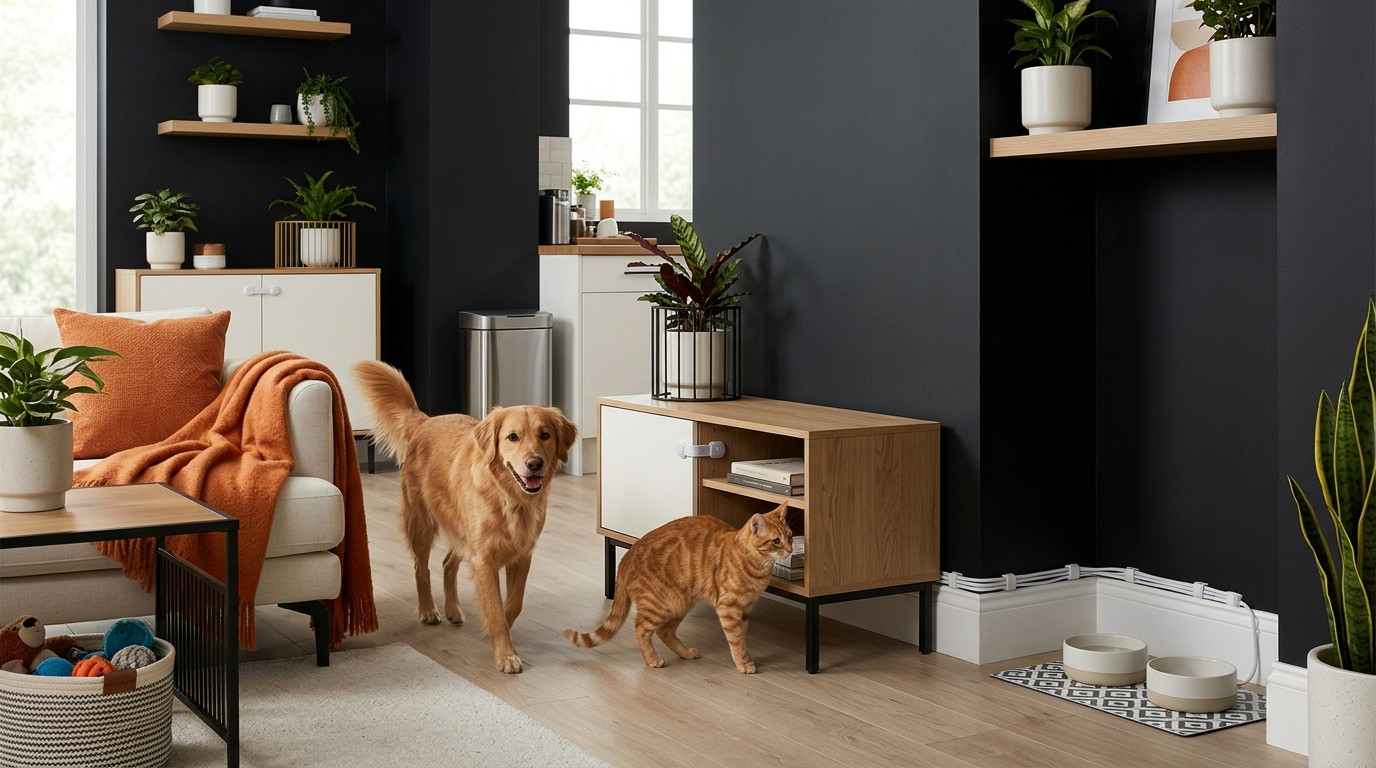
Pet-Proofing Your Home: What New Pet Owners Often Forget
Bringing a new pet home is exciting. You prepare the food, choose a comfortable bed, buy a few toys, and get everything ready for their arrival.
But there's one thing many new pet owners overlook:
Your home wasn't designed with a curious pet in mind.
Pets explore differently from humans. They may chew, climb, scratch, knock things over, squeeze into surprisingly small spaces, or investigate things you'd never expect them to notice.
The good news? You don't need to completely redesign your home.
A few simple changes can make your home safer, cleaner, and more comfortable for your new companion.
Here are some of the most commonly forgotten areas to check.
1. Look at Your Home From Your Pet's Perspective
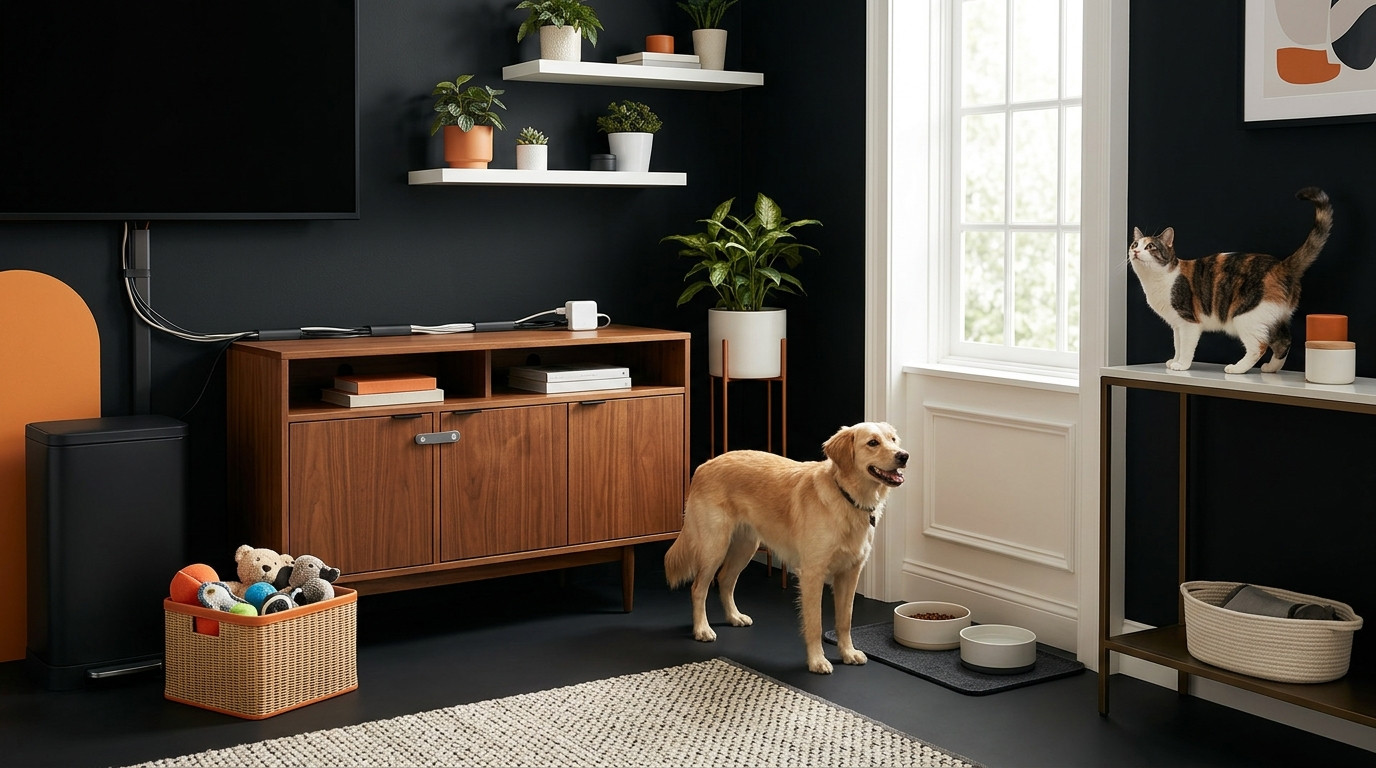
One of the easiest ways to spot potential problems is to get down to your pet's level.
Look underneath furniture. Check behind appliances. Look at loose cables, small objects, gaps, and anything within reach.
Ask yourself:
- Can my pet chew this?
- Can they knock this over?
- Can they get stuck here?
- Could they swallow this?
- Can they reach something they shouldn't?
You'll probably notice things you never paid attention to before.
Tip: Do a quick “pet-eye-level” inspection of every room your pet will have access to.
2. Secure Loose Electrical Cords
Electrical cables can be tempting for curious pets, especially during the early days when they're exploring everything.
Keep unnecessary cables out of reach and organize loose wires where possible.
Cable covers, organizers, or simple cord-management solutions can help keep your space tidier while reducing opportunities for chewing.
Don't forget about:
- Phone chargers
- Laptop cables
- TV cables
- Extension cords
- Cables behind desks
- Cords near entertainment systems
3. Don't Forget Small Objects
Something that looks completely harmless to you can become interesting to a curious pet.
Coins, rubber bands, small toys, bottle caps, craft supplies, and other tiny objects are easy to overlook.
Make it a habit to keep small items stored away rather than leaving them on floors, low tables, or other accessible surfaces.
A useful rule is:
If it's small enough to fit in your pet's mouth, don't leave it where they can easily reach it.
4. Check Your Houseplants
Plants can make a home look beautiful, but some plants may be harmful if a pet chews or eats them.
Before bringing a new plant into your home, check whether it's considered safe for your particular type of pet.
Also remember that pets don't necessarily care whether a plant is expensive, decorative, or your favorite.
If your pet likes to investigate plants, consider placing them somewhere inaccessible.
5. Secure Cabinets and Drawers
Pets can be surprisingly good at discovering how things work.
Kitchen cabinets, bathroom cupboards, and low drawers can become interesting places to explore.
Keep cleaning products, chemicals, medications, and other potentially dangerous household items securely stored.
For particularly curious pets, child-safety cabinet locks can provide an additional layer of protection.
6. Pay Attention to Trash Cans
The trash can is basically a treasure chest from a pet's perspective.
Food smells, packaging, tissues, and interesting objects can attract curious animals.
A pet-proof trash can with a secure lid can help prevent unwanted exploration.
It's especially important to avoid leaving potentially harmful food scraps or other dangerous materials where pets can access them.
7. Secure Windows, Doors, and Small Gaps
Check areas where your pet could potentially escape or become trapped.
Look at:
- Windows
- Balcony doors
- Exterior doors
- Stairways
- Gaps behind furniture
- Spaces underneath appliances
- Fences and gates
For smaller animals, even surprisingly narrow openings can become an escape route.
Make sure barriers and screens are appropriate for the type and size of your pet.
8. Don't Ignore Your Furniture
Furniture can create hidden spaces that pets love to explore.
Check behind sofas, underneath beds, and around reclining chairs.
Pay particular attention to furniture that moves or folds. Pets can crawl into places you may not expect, so make sure they're safely out of the way before operating anything that could trap them.
9. Create a Dedicated Pet Area
Your pet doesn't necessarily need an entire room.
A small, organized area can be enough.
You could keep their:
- Food and water
- Bed or resting area
- Toys
- Grooming supplies
- Cleaning supplies
- Everyday accessories
in one convenient location.
This helps your pet become familiar with their space and makes everyday care easier for you.
Bonus: An organized pet area also means fewer pet supplies scattered around your home.
10. Keep Food and Water Areas Organized
Spilled food and water are common everyday problems for pet owners.
A properly positioned feeding area can help keep mess under control.
Consider using a washable mat underneath food and water bowls to protect your floor and make cleanup easier.
Keep the feeding area away from anything your pet shouldn't access.
11. Store Human Food Carefully
Pets don't always know the difference between something that's safe for them and something that's simply delicious.
Avoid leaving food unattended on countertops, tables, or easily accessible surfaces.
If you're unsure whether a particular human food is safe for your pet, check with a veterinarian or a reliable veterinary source before offering it.
12. Make Cleaning Supplies Inaccessible
Cleaning products, detergents, and other household chemicals should be stored securely away from pets.
This includes products you might not immediately think about, such as:
- Laundry products
- Bathroom cleaners
- Dishwashing products
- Air fresheners
- Pest-control products
- Certain essential oils and concentrated fragrances
When in doubt, keep it out of reach and follow the product's safety instructions.
13. Don't Overlook Your Pet's Toys
Even pet toys need occasional inspection.
Look for:
- Loose pieces
- Damaged parts
- Frayed materials
- Broken components
- Pieces that could become detached
Replace damaged toys rather than continuing to use them.
And remember: the right toy depends on the type, size, age, and behavior of your pet.
A Simple Pet-Proofing Checklist
Before letting your new pet explore the house, walk through this checklist:
☐ Electrical cords organized or inaccessible
☐ Small objects picked up
☐ Household chemicals secured
☐ Medications stored safely
☐ Trash secured
☐ Potentially harmful plants checked
☐ Windows and doors secured
☐ Escape routes checked
☐ Small gaps inspected
☐ Moving furniture checked
☐ Food stored safely
☐ Pet feeding area prepared
☐ Toys inspected
☐ Dedicated pet area created
You don't need to make your home perfect.
You just need to identify the risks your particular pet is most likely to encounter.
Make Your Home Work Better for You and Your Pet
Pet-proofing isn't about turning your home into a fortress.
It's about making a few thoughtful changes so your pet can explore, play, eat, rest, and live comfortably while you have fewer things to worry about.
And sometimes, the best solutions are surprisingly simple.
A better feeding setup.
A smarter storage solution.
A cleaner way to manage pet mess.
A small product that solves an annoying everyday problem.
That's exactly what we look for at OddlyPet.
Odd Products. Smart Solutions. Happier Pets.
Discover clever products designed to make everyday pet life a little easier.
SHARE
0 comment
Be the first to comment