UP TO 30% OFF FOR NEW CUSTOMER OR BUY BUNDLE


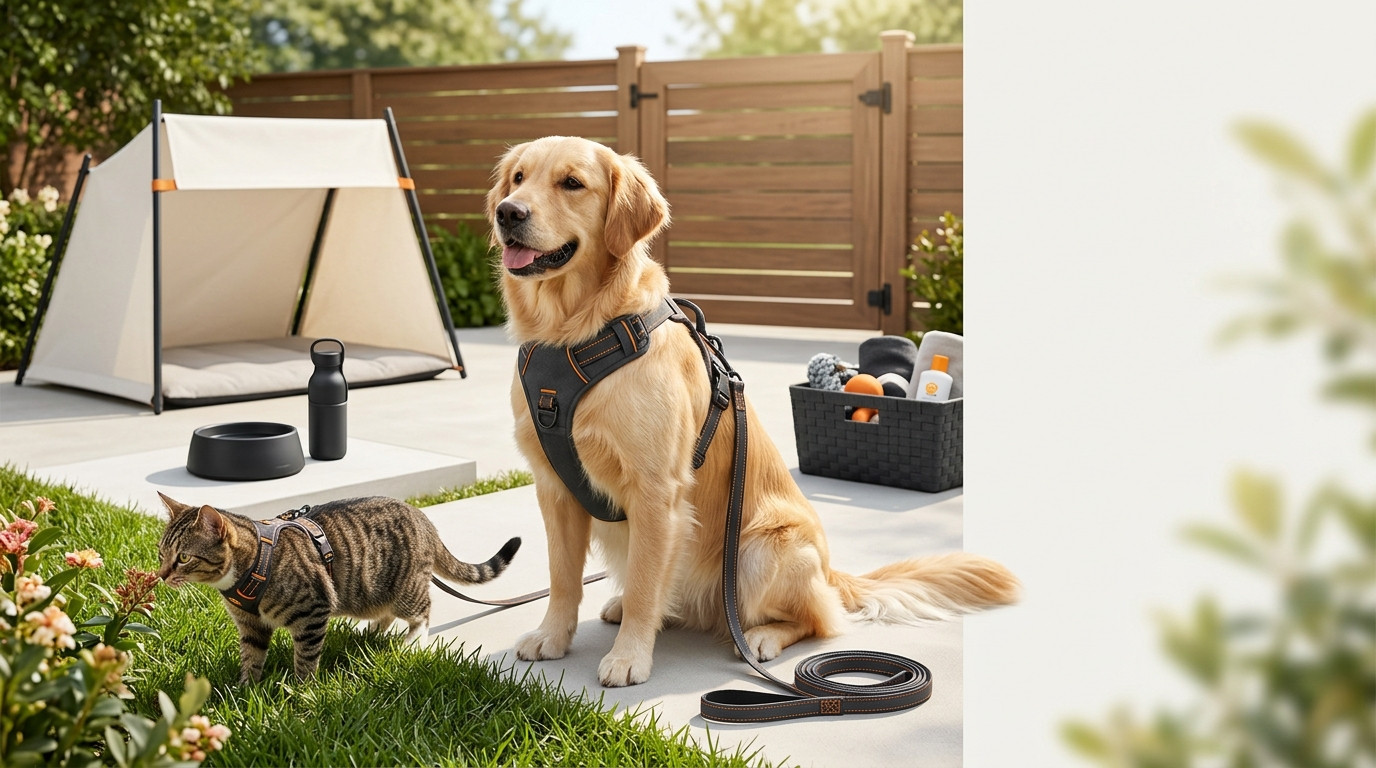
Pet Outdoor Safety: Simple Things Every Owner Should Know
Outdoor time can be one of the best parts of having a pet. Walks, playtime, fresh air, and new environments give pets opportunities to exercise, explore, and stay mentally engaged.
But the outdoors also comes with risks that are easy to overlook—especially if you're a new pet owner.
The good news is that outdoor safety doesn't have to be complicated. A few simple habits and the right preparation can make outdoor adventures safer and more enjoyable for both you and your pet.
Here are some important things every pet owner should know.
1. Always Check the Environment First
Before letting your pet explore a new outdoor area, take a quick look around.
Check for:
- Open gates or broken fences
- Traffic or nearby roads
- Sharp objects or debris
- Standing water
- Unknown plants
- Other animals
- Areas where your pet could become trapped
A few seconds of checking the environment can help you spot problems before your pet does.
2. Use the Right Leash or Restraint
For dogs and other pets that are safely suited to outdoor walks, a properly fitted leash or harness provides an important layer of control.
Make sure the equipment is:
- Appropriate for your pet's size
- Comfortable and properly fitted
- In good condition
- Free from damaged clips or frayed material
Don't assume that one type of leash or harness works for every pet. Choose equipment based on your pet's size, behavior, and activity.
3. Don't Forget Fresh Water
Outdoor activity can make pets thirsty, particularly during warm weather.
Bring fresh drinking water whenever you're going to be outside for an extended period.
A portable pet water bottle or collapsible bowl can make this much easier when you're away from home.
Instead of waiting until your pet seems extremely thirsty, offer appropriate opportunities to drink during outdoor activities.
4. Be Careful During Hot Weather
Hot weather can be dangerous for pets.
Remember that pets don't experience heat exactly the same way humans do. Pavement and other surfaces can also become extremely hot.
During warm weather:
- Choose cooler times of day when possible
- Provide access to shade
- Bring water
- Avoid prolonged activity in high temperatures
- Watch your pet closely for signs of overheating
If your pet seems unusually tired, distressed, weak, or unwell in the heat, stop the activity and seek veterinary advice promptly.
5. Protect Your Pet's Paws
Your pet's paws come into contact with everything outdoors.
Hot pavement, rough surfaces, ice, chemicals, and sharp debris can potentially cause problems.
Before and after outdoor activities, check your pet's paws for anything unusual.
If a surface looks too hot, sharp, or unsafe for your pet, choose another route.
6. Keep Identification Up to Date
Even careful owners can have unexpected situations.
Make sure your pet's identification information is current.
Depending on your pet and local requirements, this may include:
- A secure identification tag
- Current contact information
- A registered microchip
- Updated owner details
If your phone number or address changes, remember to update the relevant information.
7. Don't Let Curiosity Take Over
Pets love exploring.
That can sometimes mean sniffing, chewing, digging, or investigating things that aren't safe.
Keep an eye on what your pet is trying to interact with outdoors.
Pay particular attention to:
- Unknown plants
- Food left on the ground
- Trash
- Standing water
- Unknown substances
- Small objects
If you're unsure whether something is safe, don't let your pet consume or interact with it.
8. Watch for Other Animals
Not every animal your pet encounters will be friendly.
Keep an appropriate distance from unfamiliar animals and avoid forcing interactions.
Even pets that normally behave well can react differently when they're frightened, excited, or surprised.
Give your pet enough space to move away from situations that make them uncomfortable.
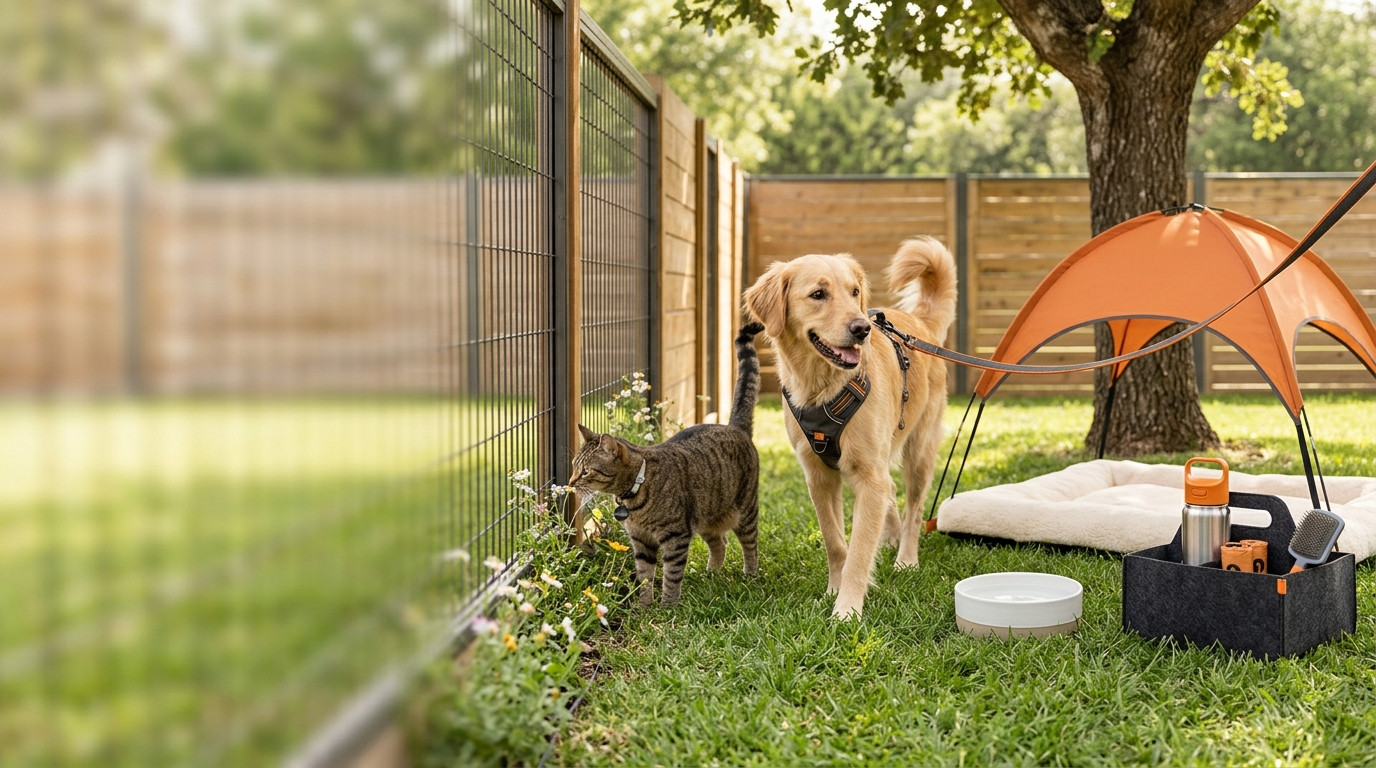
9. Check Your Yard and Fence
If your pet spends time in a backyard or enclosed outdoor area, don't assume the space is automatically safe.
Regularly inspect:
- Gates
- Fence gaps
- Loose boards
- Damaged screens
- Areas underneath fences
- Places where your pet could climb or squeeze through
Remember that pets can be surprisingly creative when they want to investigate something on the other side of a barrier.
10. Be Prepared for Outdoor Adventures
A small outdoor pet kit can save you from unnecessary problems.
Depending on your pet and activity, consider bringing:
✓ Fresh water
✓ Portable bowl
✓ Leash or appropriate restraint
✓ Identification information
✓ Waste bags where applicable
✓ Basic cleanup supplies
✓ Any necessary medications or pet-specific essentials
You don't need to carry your entire house with you.
Just prepare for the needs your pet is most likely to have during the activity.
11. Pay Attention to Your Pet's Behavior
Your pet may communicate discomfort through changes in behavior.
Watch for things like unusual tiredness, reluctance to continue, excessive stress, or other behavior that is noticeably different from normal.
Don't force your pet to continue an activity simply because you planned to stay outside longer.
Your pet's behavior is often your best signal that it's time for a break—or time to head home.
12. Plan Around the Weather
Outdoor safety isn't only about temperature.
Before heading outside, consider the weather conditions and the type of activity you're planning.
Heavy rain, storms, extreme heat, snow, ice, or other challenging conditions may make outdoor activities unsuitable.
When conditions aren't favorable, it's perfectly fine to choose an indoor activity instead.
Quick Pet Outdoor Safety Checklist
Before heading outside, ask yourself:
☐ Is my pet's restraint secure and comfortable?
☐ Do I have fresh water?
☐ Is the weather suitable?
☐ Is there enough shade or shelter?
☐ Is the walking/play area safe?
☐ Are there any obvious hazards nearby?
☐ Is my pet's identification information current?
☐ Have I packed the essentials?
☐ Do I know where I can take my pet if something goes wrong?
If you can answer these questions confidently, you're already better prepared for your adventure.
Safe Adventures Are Better Adventures
Outdoor time should be something your pet looks forward to—not something you constantly worry about.
You don't need complicated equipment or an enormous collection of pet accessories.
Often, a little preparation and a few smart products can make a big difference.
At OddlyPet, we look for clever products that help solve the everyday problems pet owners encounter—from staying organized at home to making outdoor adventures easier.
Because sometimes the best pet products aren't the ones you expected.
They're the ones that make you say:
“Why didn't I get this sooner?”
Ready for your next adventure?
SHARE
0 comment
Be the first to comment